The Geopolitical Realignment of Tactical Aerial Supremacy
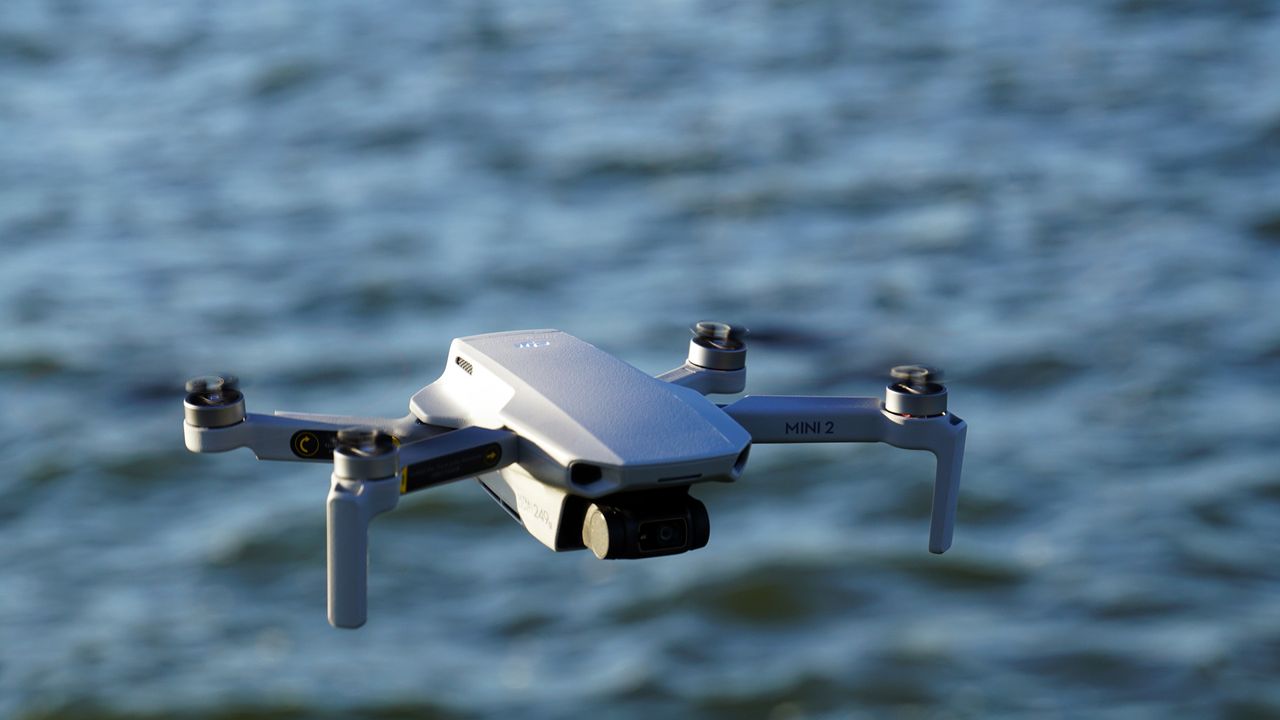
The United States Army's recent selection of a previously obscure Ukrainian defense technology corporation for its high-stakes 'Drone Dominance' contest marks a watershed moment in military procurement. For over a decade, the Small Unmanned Aerial System (sUAS) landscape has been defined by the overwhelming market dominance of DJI, a Shenzhen-based giant. However, the escalating friction between Washington and Beijing has transformed commercial convenience into a profound national security vulnerability. The 'Drone Dominance' initiative was specifically engineered to identify platforms that can operate in contested environments without the inherent risks associated with adversarial supply chains. This Ukrainian firm, whose identity remains shielded by layers of operational security, has achieved what many Western manufacturers struggled to do: the creation of a high-performance, cost-effective sUAS built entirely without Chinese-sourced components. This selection is not merely a procurement choice; it is a strategic declaration that the era of relying on adversarial hardware for frontline intelligence is rapidly drawing to a close.
Battlefield Validation and the Architecture of Supply Chain Integrity
What distinguishes this Ukrainian entity from established Western defense contractors is the crucible in which its technology was forged. Unlike prototypes developed in sterile laboratory environments, these drones are the product of immediate, iterative feedback from the most intense electronic warfare environment in modern history. The Ukrainian systems are designed to withstand sophisticated jamming and signal interception—capabilities that are often secondary in commercial-off-the-shelf platforms. By eliminating Chinese silicon, flight controllers, and optical sensors, the manufacturer has effectively closed the 'backdoor' through which data exfiltration could occur. This 'Zero China' architecture is the primary driver behind the US Army's interest. The technical deep-dive reveals a modular design that prioritizes indigenous or Western-aligned components, ensuring that every link in the hardware and software chain is auditable and secure. This level of transparency is currently unattainable for DJI and other Chinese manufacturers, who are increasingly restricted by the National Defense Authorization Act (NDAA) and the growing 'Blue UAS' requirements.
Disruption of the Global Commercial and Tactical Hegemony
The implications of this shift extend far beyond the immediate requirements of the US Army. The selection of a Ukrainian alternative serves as a catalyst for a broader industrial realignment within the Five Eyes intelligence alliance and NATO. For years, the primary argument against banning DJI was the lack of a viable, scalable alternative that could match its price-to-performance ratio. The emergence of a combat-proven Ukrainian platform that meets US military standards shatters this narrative. We are witnessing the birth of a new tier in the drone industry: the 'Combat-Certified' class. As these drones enter the US military inventory, they will inevitably trickle down to domestic law enforcement, critical infrastructure monitoring, and federal agencies. This creates a powerful incentive for private capital to flow into non-Chinese drone technologies, further eroding the economies of scale that have previously protected Chinese market dominance. The industrial base is shifting from a focus on mass-market accessibility to a focus on sovereign-aligned resilience.
Strategic Verdict on the Future of Autonomous Defense
The strategic verdict is clear: the integration of Ukrainian drone technology into the US Army's framework is a permanent pivot, not a temporary measure. While DJI may continue to hold sway in the hobbyist and low-stakes commercial sectors, its presence in the tactical and national security spheres is facing a terminal decline. The Ukrainian model proves that high-performance sUAS can be manufactured outside the Chinese ecosystem, provided there is a fusion of battlefield experience and rigorous supply chain oversight. This transition represents the formal decoupling of tactical intelligence from adversarial hardware, setting a new global standard for defense autonomy. The 'mysterious' nature of the Ukrainian firm is a testament to the new reality of defense tech—where speed, security, and combat efficacy are prioritized over traditional corporate visibility. As the US Army integrates these systems, the message to the global market is unmistakable: the future of drone dominance belongs to those who can guarantee security at every level of the stack, from the motherboard to the cloud.