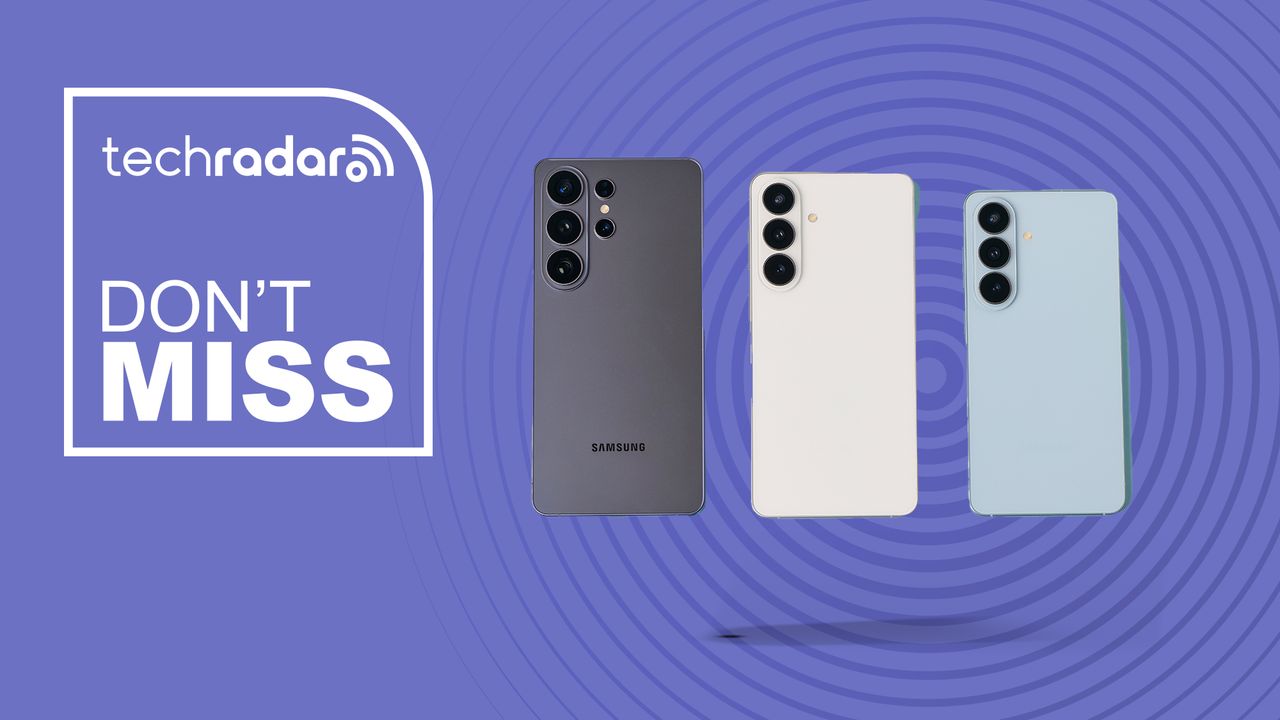
The Resurgence of the High-Value Incentive Model
Samsung Electronics has once again disrupted the premium mobile landscape by reintroducing its highly effective storage upgrade promotion for the Galaxy S26 series. This tactical maneuver allows consumers to acquire higher-capacity hardware at the price point of entry-level variants, effectively doubling the storage value proposition overnight.
The addition of stackable coupons signals a sophisticated approach to price elasticity, allowing the firm to capture diverse consumer segments without permanently devaluing the flagship brand. This is not merely a seasonal discount; it is a calculated effort to maintain momentum in a market where replacement cycles are lengthening.
By offering these incentives, Samsung is addressing a critical psychological barrier in the high-end segment. The 'free' nature of the upgrade simplifies the decision-making process for potential buyers who are often paralyzed by the incremental costs of hardware tiers.
This promotional cycle is strategically timed to coincide with a period of intense competition, ensuring that the S26 remains the focal point of consumer interest. The integration of multiple discount layers demonstrates a mastery of retail psychology, turning a standard purchase into a high-reward acquisition for the tech-savvy demographic.
Vertical Integration and the Economics of NAND Flash
The ability to offer a free storage upgrade is a direct result of Samsung’s unique position as a vertically integrated semiconductor powerhouse. Unlike competitors who must source NAND flash memory from external vendors at market rates, Samsung can leverage its internal supply chain to manage margins more effectively.
This structural advantage allows them to absorb the costs of higher-capacity chips while maintaining profitability on the overall device sale. In the current economic climate, where component costs are volatile, this internal synergy provides a buffer that few other manufacturers can match.
Furthermore, the shift toward local AI processing and high-bitrate 8K video recording has transformed storage from a luxury into a functional necessity. Modern operating systems and AI-driven features demand significant overhead, making the base 128GB or 256GB configurations increasingly restrictive for power users.
By standardizing 512GB or higher through these promotions, Samsung is future-proofing its user base against software bloat. This foresight ensures long-term user satisfaction, as devices will not become obsolete due to storage constraints within the first two years of ownership.
Market Realignment and the Competitive Ripple Effect
This aggressive promotional stance forces a realignment within the premium smartphone sector, putting immediate pressure on rivals like Apple and Google. When a market leader offers significant hardware value for free, it shifts the 'price-to-performance' expectations of the entire industry.
Competitors are often forced to choose between eroding their own margins to follow suit or risking a loss in market share during critical sales windows. Samsung’s use of stackable coupons further complicates the landscape, as it creates a price floor that is difficult for others to underbid without appearing desperate.
The impact extends beyond immediate sales figures into the realm of ecosystem retention. Users who possess high-capacity devices are more likely to engage with high-bandwidth services and store larger amounts of personal data, increasing the 'stickiness' of the Samsung ecosystem.
As the cost of switching brands increases with the volume of data stored, these storage upgrades act as a long-term anchor for consumer loyalty. The strategic goal is to secure the user today to ensure service revenue and hardware upgrades in the future, reinforcing the brand's dominance in the Android space.
Strategic Verdict on Premium Lifecycle Management
Samsung’s decision to bring back the storage upgrade offer is a masterclass in lifecycle management for high-end electronics. It successfully bridges the gap between early adopters and the mass market by lowering the financial hurdle for premium specifications.
The use of stackable coupons suggests a data-driven approach to discounting, where the company can fine-tune incentives based on real-time inventory levels and regional demand. This flexibility is essential for navigating the complex global supply chain and ensuring that stock levels remain healthy across all variants.
Ultimately, this move reinforces Samsung’s status as a dominant force capable of dictating market trends through sheer industrial scale. While some may view frequent promotions as a sign of market saturation, the analytical perspective suggests it is an exercise of power.
By controlling the narrative around value and capacity, Samsung is not just selling a phone; it is setting a new standard for what consumers should expect from a flagship experience. For stakeholders and competitors alike, the Galaxy S26 promotion is a clear signal that the battle for the premium segment will be won through a combination of hardware excellence and aggressive fiscal engineering.