The Re-emergence of Operational Excellence in Orbital History
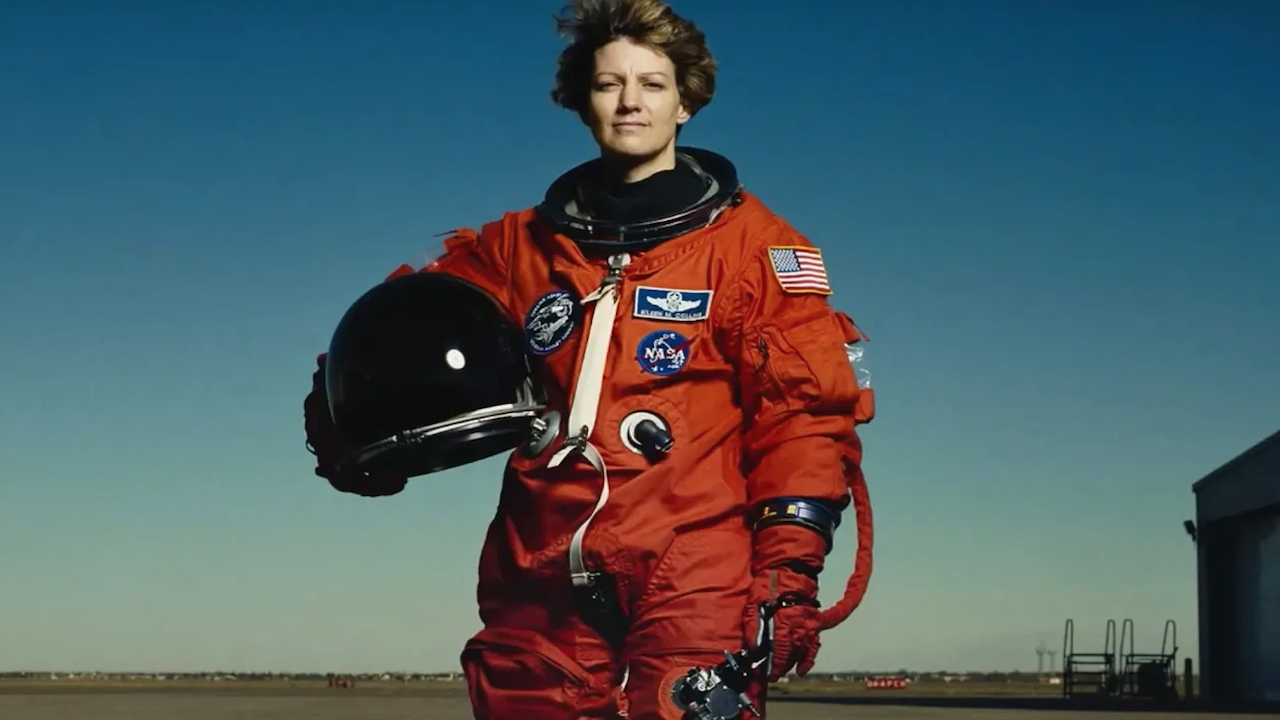
The release of the documentary 'Spacewoman,' chronicling the career of Colonel Eileen Collins, serves as a critical inflection point for the global aerospace community. As the first woman to pilot and subsequently command a Space Shuttle, Collins’ narrative is not merely a biographical retrospective but a strategic audit of the Space Transportation System (STS) era. In the current landscape, where the focus has shifted toward rapid commercialization and the Artemis lunar framework, revisiting the operational rigors of the Shuttle program provides essential context. The documentary highlights the transition from the experimental nature of early spaceflight to the established logistical pipeline that defined the late 20th-century orbital presence. This period established the foundational protocols for Extravehicular Activity (EVA) and complex satellite deployment that current private contractors now utilize as industry standards. By examining Collins' tenure, analysts can discern the evolution of risk management and the high-stakes decision-making processes that governed the assembly of the International Space Station (ISS).
Technical Stewardship and the Evolution of Command Doctrine
Collins’ career reached its zenith during two of the most technically demanding missions in NASA history: STS-93 and STS-114. The documentary provides a deep dive into the 'Return to Flight' mission following the Columbia tragedy, a moment that redefined NASA’s approach to safety and institutional transparency. From a strategic intelligence perspective, Collins’ leadership during this period represents the gold standard of technical stewardship. The command doctrine she employed—prioritizing engineering integrity over schedule pressure—remains a core pillar of modern aerospace management. The STS-114 mission, in particular, demonstrated the capability of the Shuttle as a repair and inspection platform, a capacity that has yet to be fully replicated by current automated or capsule-based systems. This section of the narrative underscores the critical importance of human-in-the-loop systems for complex orbital maintenance. The documentary effectively captures the tension between political expectations and the cold, hard realities of fluid dynamics and thermal protection systems, offering a masterclass in crisis management that is highly relevant to today's program managers.
Socio-Industrial Transformation within the Aerospace Complex
Beyond the cockpit, the 'Spacewoman' narrative documents a profound shift in the socio-industrial fabric of the aerospace sector. Collins’ ascent through the ranks of the U.S. Air Force as a test pilot and into the astronaut corps marks the dismantling of gender-based barriers that had previously limited the talent pool of the military-industrial complex. This transformation was not merely a matter of social progress; it was a strategic expansion of human capital. The integration of diverse perspectives into the command structure enhanced the cognitive diversity of mission control and flight crews, leading to more robust problem-solving frameworks. Today, as the industry faces a significant labor shortage and a need for highly specialized STEM talent, the legacy of Collins serves as a blueprint for institutional inclusivity. The documentary illustrates that operational success in extreme environments is predicated on meritocracy and the relentless pursuit of technical proficiency, regardless of demographic background. This shift has fundamentally altered the corporate culture of major aerospace primes and emerging startups alike, fostering an environment where mission success is the primary metric of value.
The Strategic Imperative of Historical Continuity in Space Policy
Ultimately, the documentary 'Spacewoman' emphasizes the strategic necessity of maintaining historical continuity within space policy. As the global space economy transitions toward a more fragmented, multi-polar environment, the lessons learned during the Shuttle era must not be relegated to archives. The operational expertise developed by commanders like Collins—specifically in the realms of orbital rendezvous, heavy-lift logistics, and international cooperation—forms the bedrock of current mission architectures. The documentary acts as a bridge between the legacy of the Cold War-era space race and the modern era of integrated orbital commerce. For policymakers and industry leaders, the narrative serves as a reminder that the current successes in low Earth orbit are built upon the sacrifices and technical breakthroughs of the STS program. Ensuring that this institutional memory remains accessible is vital for mitigating future operational risks. Collins’ story is a testament to the fact that while technology evolves, the fundamental requirements of leadership, discipline, and scientific rigor remain constant. In the context of present global competition, the preservation of this heritage is a strategic asset that informs the future of human presence in the cosmos.