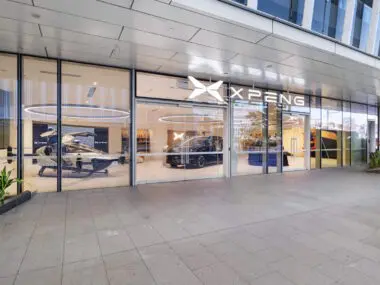
The Abrupt Suspension of an Ambitious Market Entry
The Australian automotive landscape has been jolted by the news that True EV, the exclusive distributor tasked with launching Xpeng’s high-tech electric vehicles, has been placed into external administration. This development comes at a critical juncture, as the Chinese manufacturer was poised to challenge established players with the imminent release of its G6 SUV. The appointment of administrators from Hall Chadwick signals a profound disruption in the supply chain and consumer delivery pipeline.
For a brand that relies heavily on its image as a sophisticated, software-led alternative to Tesla, this operational failure at the local level is more than a mere logistical hiccup. It represents a fundamental breakdown in the bridge between the manufacturer’s global ambitions and local execution. The immediate consequence is a state of limbo for prospective customers who had already placed deposits, casting a long shadow over the brand’s initial rollout phase.
Structural Vulnerabilities of the Third-Party Distributor Model
The collapse of True EV underscores the inherent risks of the "asset-light" entry strategy favored by many emerging Chinese OEMs. By outsourcing the capital-intensive requirements of showrooms, service centers, and spare parts logistics to a third-party distributor, manufacturers can enter new markets quickly. However, this model leaves the brand’s reputation at the mercy of the distributor’s financial health and operational competence.
In the current high-interest-rate environment, the costs of maintaining inventory and building out the necessary EV infrastructure are immense. A specialized distributor like True EV, lacking the diversified revenue streams of a multi-brand automotive group, faces extreme pressure to achieve rapid scale. When the capital runway falls short, the manufacturer is left with a fractured presence and a damaged brand, as the physical interface with the customer vanishes overnight.
Erosion of Consumer Trust and Market Positioning
Australia is a notoriously difficult market for new automotive brands, characterized by high consumer expectations regarding after-sales support and long-term viability. The news of external administration triggers immediate anxiety about warranty fulfillment, software updates, and the availability of replacement parts. In a sector where the "orphan brand" stigma can permanently devalue a vehicle’s resale price, the psychological impact on the Australian car buyer cannot be overstated.
While Xpeng itself remains a financially robust entity globally, the local consumer does not distinguish between the manufacturer and its distributor during a crisis. This situation creates a vacuum that competitors such as BYD, MG, and Tesla are well-positioned to exploit. These rivals have either established direct-to-consumer models or partnered with massive, established dealer groups that possess the balance sheets required to weather economic volatility.
Strategic Recalibration for Sustainable Growth
The path forward for Xpeng in Australia now requires a decisive strategic pivot. The current crisis forces a choice between two paths: establishing a wholly-owned national sales company (NSC) or seeking a partnership with a Tier-1 automotive retail conglomerate. The former offers total control over the brand experience but requires significant direct investment; the latter provides immediate stability and an existing network but reduces profit margins.
This incident serves as a cautionary tale for the broader industry. As Chinese OEMs continue their aggressive global push, the reliance on unproven, exclusive distributors is increasingly viewed as a strategic liability. To succeed in sophisticated markets like Australia, the focus must shift from rapid market entry to the creation of a resilient, vertically integrated, or heavily capitalized support ecosystem. Without this foundation, even the most advanced technology cannot survive a collapse in local operational infrastructure.