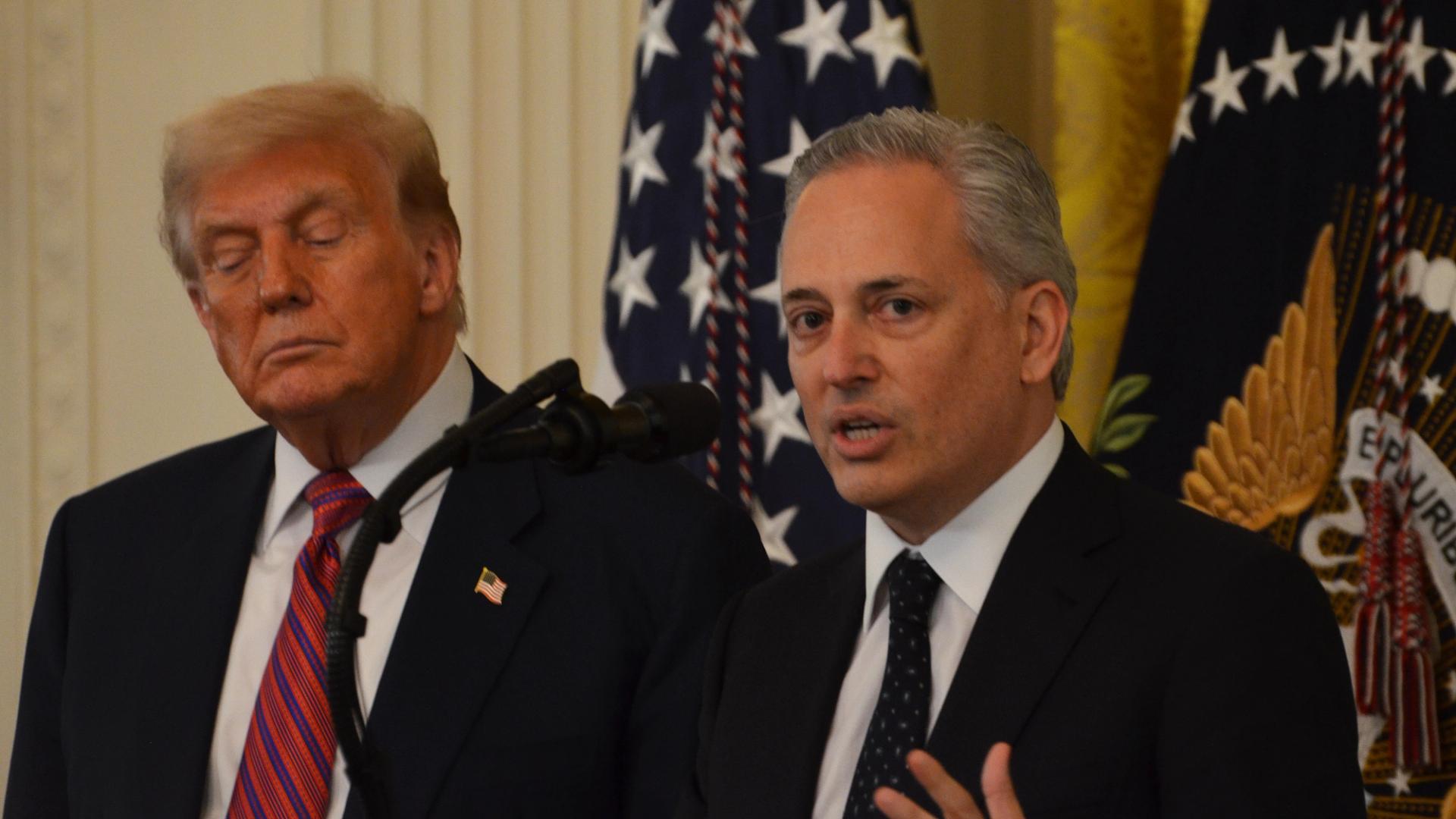
The Pivot from Specialized Oversight to Strategic Intelligence
The recent announcement that David Sacks will transition from his role as the White House Crypto Czar to a broader presidential advisory committee marks a significant inflection point in the administration's approach to digital asset governance. Initially tasked with spearheading the regulatory framework for the burgeoning cryptocurrency sector, Sacks’s relocation within the executive branch suggests a recalibration of priorities.
This transition is not merely a personnel shift; it is a structural realignment reflecting the maturing landscape of decentralized finance. By moving a high-profile figure with deep venture capital roots into a more generalized advisory capacity, the administration signals that the "crypto problem" is no longer a siloed technical challenge but a fundamental component of national economic strategy.
The move comes at a time when the friction between traditional financial institutions and the digital asset ecosystem has reached a fever pitch. Sacks, known for his outspoken views on innovation and deregulation, now finds himself at a vantage point where he can influence broader policy vectors.
This shift suggests that the executive branch is seeking to integrate technological foresight into its core intelligence and advisory functions, rather than treating digital assets as an isolated experimental niche. It represents a move toward a more holistic understanding of how distributed ledger technology impacts the broader fiscal landscape.
The Convergence of Silicon Valley and Sovereign Policy
To understand the gravity of this transition, one must examine the specific expertise Sacks brings from the private sector to the corridors of power. As a founding member of the "PayPal Mafia" and a seasoned venture capitalist, his perspective is rooted in the "move fast and break things" ethos of Silicon Valley.
His elevation to an advisory committee—likely the President’s Intelligence Advisory Board or a similar strategic body—indicates that the administration values his ability to parse complex technological trends through the lens of national competitiveness. This is a clear acknowledgement that technological supremacy is now a cornerstone of geopolitical influence.
This deep dive into the administrative machinery reveals a deliberate effort to bridge the gap between the rapid evolution of the tech industry and the slower, more methodical pace of federal policy. Sacks’s presence in a broader advisory role allows for a cross-pollination of ideas, where insights from the crypto world can inform discussions on cybersecurity, international trade, and the preservation of the dollar’s global dominance.
It is a strategic move that acknowledges the inextricable link between technological leadership and sovereign economic power. The administration is essentially upgrading its internal operating system to better navigate the complexities of a digitizing global economy.
Calibrating the Regulatory Compass Amidst Structural Change
The immediate impact of this move on the digital asset market is multifaceted, characterized by both optimism and a degree of apprehension. On one hand, having a pro-innovation voice in a more senior advisory role could lead to more nuanced policy outcomes that avoid stifling growth.
On the other hand, the vacancy left in the specific "Crypto Czar" position raises questions about the continuity of the administration's dedicated digital asset roadmap. Market participants are closely watching whether this transition signals a softening of the regulatory stance or a consolidation of oversight power within traditional agencies.
Furthermore, the impact extends to the legislative branch, where lawmakers are currently debating several key bills regarding stablecoins and market structure. Sacks’s new role could serve as a powerful conduit for the executive branch to influence these legislative developments from a more holistic strategic position.
The ripple effects are already being felt across the fintech sector, as firms recalibrate their lobbying efforts to align with this new administrative architecture. The focus is shifting from specific regulatory hurdles to the broader integration of technology into the national economic fabric, requiring a more sophisticated engagement strategy from industry players.
The Institutionalization of Tech-Driven Economic Governance
Ultimately, the transition of David Sacks represents the institutionalization of technological intelligence at the highest levels of government. It is a strategic verdict that recognizes the era of treating "crypto" as a separate entity is coming to an end.
Instead, we are entering a phase where the principles of decentralized technology and digital sovereignty are being woven into the very tapestry of national policy. This move ensures that the administration has a direct line to the innovative pulse of the private sector, while simultaneously providing a framework for responsible oversight that considers the macro-economic stakes.
For the global economy, this shift signals that the United States is refining its toolkit for economic statecraft. By embedding tech-centric advisors into broader strategic roles, the administration is preparing for a landscape where economic security and technological innovation are one and the same.
The verdict is clear: the focus has moved beyond the "czar" model of crisis management toward a permanent, integrated advisory structure that prioritizes long-term strategic resilience over short-term regulatory fixes. This is the new standard for modern governance in an age where the boundaries between finance, technology, and national security have permanently blurred.