The Post-Halving Liquidity Realignment
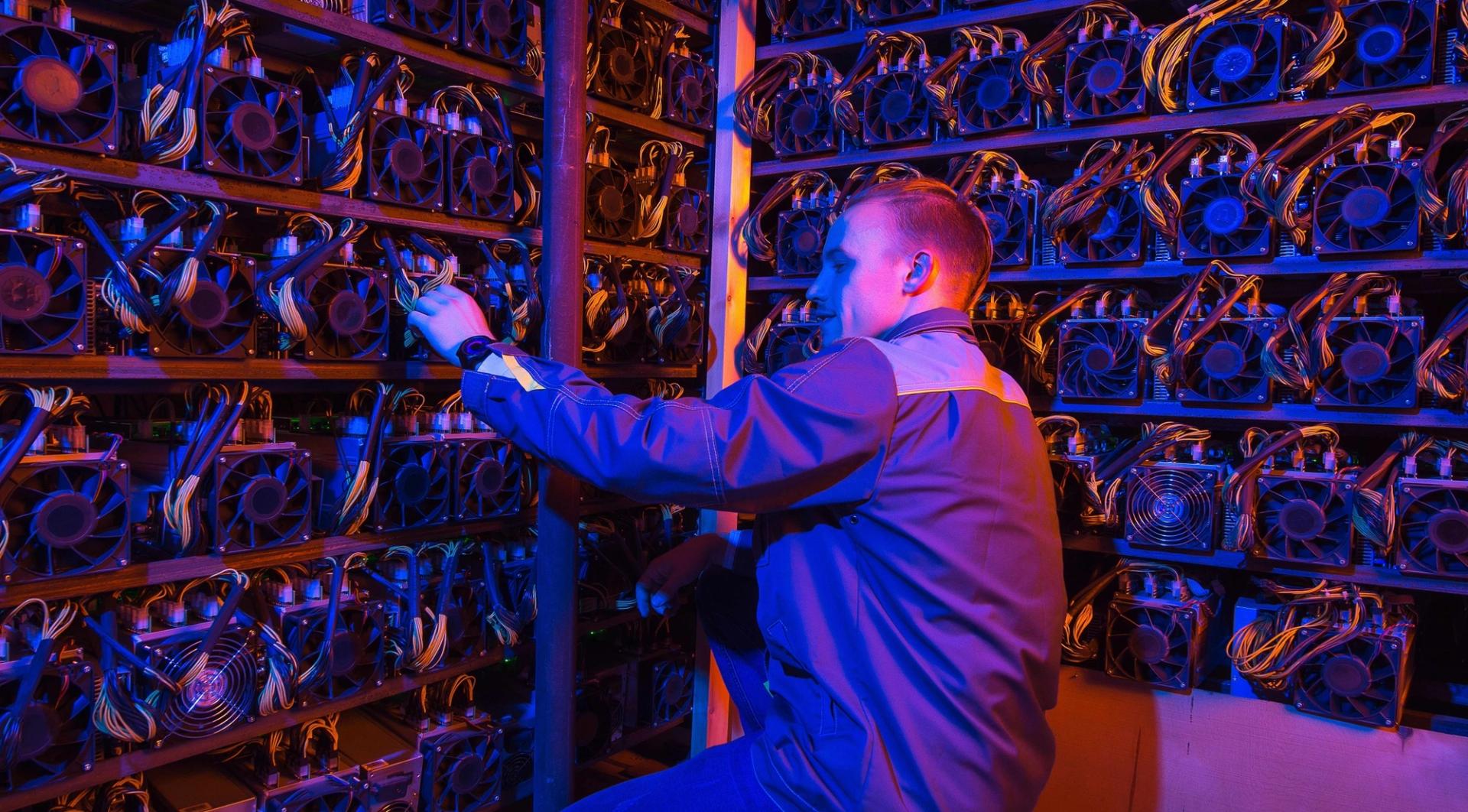
The global Bitcoin mining landscape is currently witnessing a tectonic shift in capital allocation. Following the most recent halving event, which slashed block rewards by fifty percent, traditional mining operations have faced an existential squeeze on profit margins. The response from industry leaders is not retreat, but a strategic metamorphosis. Large-scale miners are increasingly liquidating their hard-earned Bitcoin reserves—not out of a loss of faith in the asset, but to fuel a multi-billion dollar transition into the High-Performance Computing (HPC) sector.
This liquidity event represents a massive transfer of value from the decentralized finance ecosystem into the physical infrastructure of artificial intelligence. Companies like Core Scientific and Northern Data are leading the charge, recognizing that their most valuable assets are no longer just the SHA-256 miners, but the underlying power purchase agreements and cooling systems they have secured over the past decade. The present market environment demands a pivot toward more stable, high-margin revenue streams found in AI model training and inference hosting.
From Proof-of-Work to Generative Infrastructure
The technical synergy between Bitcoin mining and AI data centers is driving this industrial evolution. While the hardware requirements differ—ASICs for mining versus GPUs for AI—the fundamental bottleneck for both industries remains the same: access to reliable, low-cost electricity at scale. Miners have spent years securing gigawatts of power capacity, often in remote locations where energy was otherwise stranded. Today, that energy is being repurposed to power the massive clusters of NVIDIA H100 and B200 chips required for the current generative AI boom.
The capital expenditure required for this transition is staggering. A single high-end AI cluster can cost hundreds of millions of dollars, far exceeding the typical refresh cycle of mining hardware. Consequently, the selling pressure on Bitcoin markets is being driven by these institutional-scale operators who need immediate liquidity to secure their place in the AI value chain. This is a cold, calculated business decision where the volatility of digital assets is being traded for the predictable, long-term contracts offered by hyperscalers and AI startups seeking compute power.
Macroeconomic Impacts and Market Distortions
This industrial pivot is creating a unique set of market distortions in both the cryptocurrency and technology sectors. On one hand, the consistent selling of BTC by miners to fund AI expansion creates a persistent headwind for Bitcoin's price appreciation in the short term. On the other hand, these companies are being revalued by equity markets as 'AI-infrastructure' plays rather than mere commodity producers. The correlation between mining stocks and Bitcoin's price is decoupling, as investors begin to price in the value of their data center real estate and power connectivity.
Furthermore, this transition is accelerating the professionalization of the global data center market. The entry of agile, energy-savvy miners into the HPC space is challenging traditional incumbents like Equinix and Digital Realty. By leveraging their expertise in rapid deployment and modular cooling, former miners are bringing new capacity online at a speed that traditional data center developers struggle to match. This influx of supply is critical at a time when the demand for AI compute is outstripping existing global capacity, yet it also places a premium on sustainable and reliable energy sources.
The Strategic Verdict on Industrial Convergence
The convergence of Bitcoin mining infrastructure and AI compute is not a temporary trend but a permanent structural realignment of the digital economy. We are observing the birth of a new class of industrial conglomerates: the Compute Utility. These entities are agnostic to the specific workload—whether it be securing a blockchain or training a Large Language Model—and are instead focused on the monetization of electricity through compute cycles. The strategic imperative for these firms is now the optimization of their 'power-to-profit' ratio across multiple technology stacks.
For the broader economy, this shift signifies the maturation of the digital asset industry. The 'wild west' era of mining is being replaced by a highly disciplined, capital-intensive infrastructure play that underpins the next generation of technological progress. As miners continue to divest from their BTC holdings to build out AI capacity, the market must adjust to a landscape where the value of a mining firm is defined by its ability to serve the global intelligence economy. The era of the pure-play Bitcoin miner is ending, giving way to the era of the diversified compute powerhouse.